Strengthening Structures With Seismic Braces
seismic braces, commonly known as seismic restraints or seismic retrofit braces, are an essential component in enhancing the resistance of buildings and structures to seismic activities. These braces are specifically designed to absorb and dissipate the energy generated by seismic waves during an earthquake, thus minimizing structural damage and increasing overall safety. The use of seismic braces has become increasingly common in regions prone to earthquakes, as a means of fortifying structures and protecting lives and property.
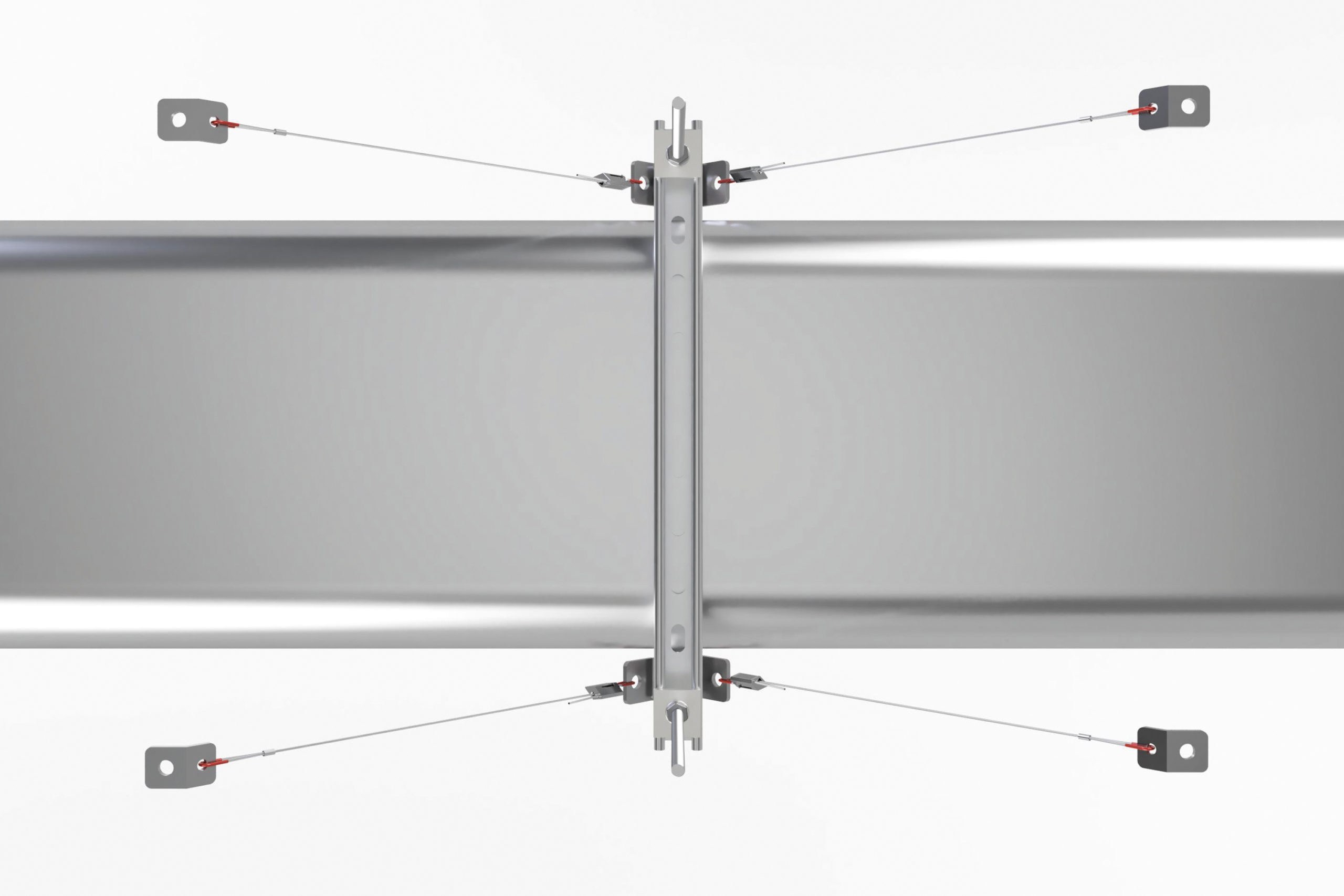
The primary purpose of seismic braces is to ensure the structural integrity of buildings during an earthquake. These braces work by connecting critical components of a building, such as beams, columns, and walls, to provide additional strength and stability. By redistributing the seismic forces generated during an earthquake, seismic braces help prevent structural failure and collapse, reducing the risk of injury and damage.
There are different types of seismic braces available, each designed to cater to specific needs and requirements. One common type is the X-brace, which consists of diagonal braces that form an X shape across the frame of a building. These braces are typically installed at key locations to provide lateral support and prevent the building from swaying or twisting during an earthquake.
Another popular type of seismic brace is the moment frame, which is designed to resist bending and flexing under seismic forces. Moment frames are commonly used in tall buildings or structures with large open spaces, where the risk of structural damage is higher. By connecting beams and columns with moment-resisting connections, these braces help distribute seismic forces more evenly, reducing the likelihood of localized damage.
In addition to these traditional braces, innovative technologies such as fluid viscous dampers and base isolators are also being used to enhance the seismic performance of buildings. Fluid viscous dampers work by dissipating the energy of seismic waves through a viscous fluid, while base isolators decouple the building from the ground motion, reducing the impact of seismic forces on the structure.
The installation of seismic braces is a complex process that requires careful planning and engineering expertise. Before installing seismic braces, a thorough structural analysis and evaluation of the building are conducted to determine the most suitable brace system and placement locations. Factors such as building height, occupancy, and soil conditions are taken into account to ensure the optimal performance of the braces.
Once the brace system is selected, the installation process begins, which involves securing the braces to the structural components of the building using bolts, welds, or other fastening methods. The installation of seismic braces should be done by trained professionals to ensure proper alignment and fit, as well as compliance with local building codes and regulations.
One of the key benefits of seismic braces is their ability to enhance the resilience of buildings and structures to seismic events. By reducing the impact of seismic forces on a building, seismic braces can help minimize damage and downtime, allowing for quicker recovery and restoration after an earthquake. In addition, the use of seismic braces can also improve the overall safety and comfort of building occupants, providing peace of mind and protection during seismic events.
As the frequency and intensity of earthquakes continue to rise globally, the importance of seismic braces in safeguarding buildings and structures has never been more critical. By investing in seismic retrofitting and strengthening measures, building owners and managers can significantly improve the resilience and safety of their properties, protecting both lives and assets. seismic braces play a vital role in this process, providing the necessary support and protection to ensure the structural integrity of buildings in the face of seismic activities.
In conclusion, seismic braces are a fundamental component in enhancing the seismic resistance of buildings and structures. By redistributing seismic forces and providing additional support, these braces help prevent structural damage and collapse during earthquakes, increasing overall safety and protection. With the use of innovative technologies and engineering expertise, seismic braces continue to play a crucial role in fortifying buildings against seismic events, ensuring their resilience and durability for years to come.