The Importance Of Seismic Bracing Kits For Ensuring Structural Safety
In regions prone to seismic activity, having the right safety measures in place is crucial to protect buildings and structures from potential damage. One such important safety measure is the installation of seismic bracing kits, also known as seismic restraint systems. These kits are designed to provide additional support to structural components, ensuring they can withstand the forces generated by earthquakes and other seismic events.
seismic bracing kits typically consist of a combination of braces, connectors, and fasteners that are used to reinforce various building elements such as walls, floors, and ceilings. These components are carefully engineered to absorb and dissipate the energy generated by seismic activity, effectively reducing the risk of structural failure and collapse.
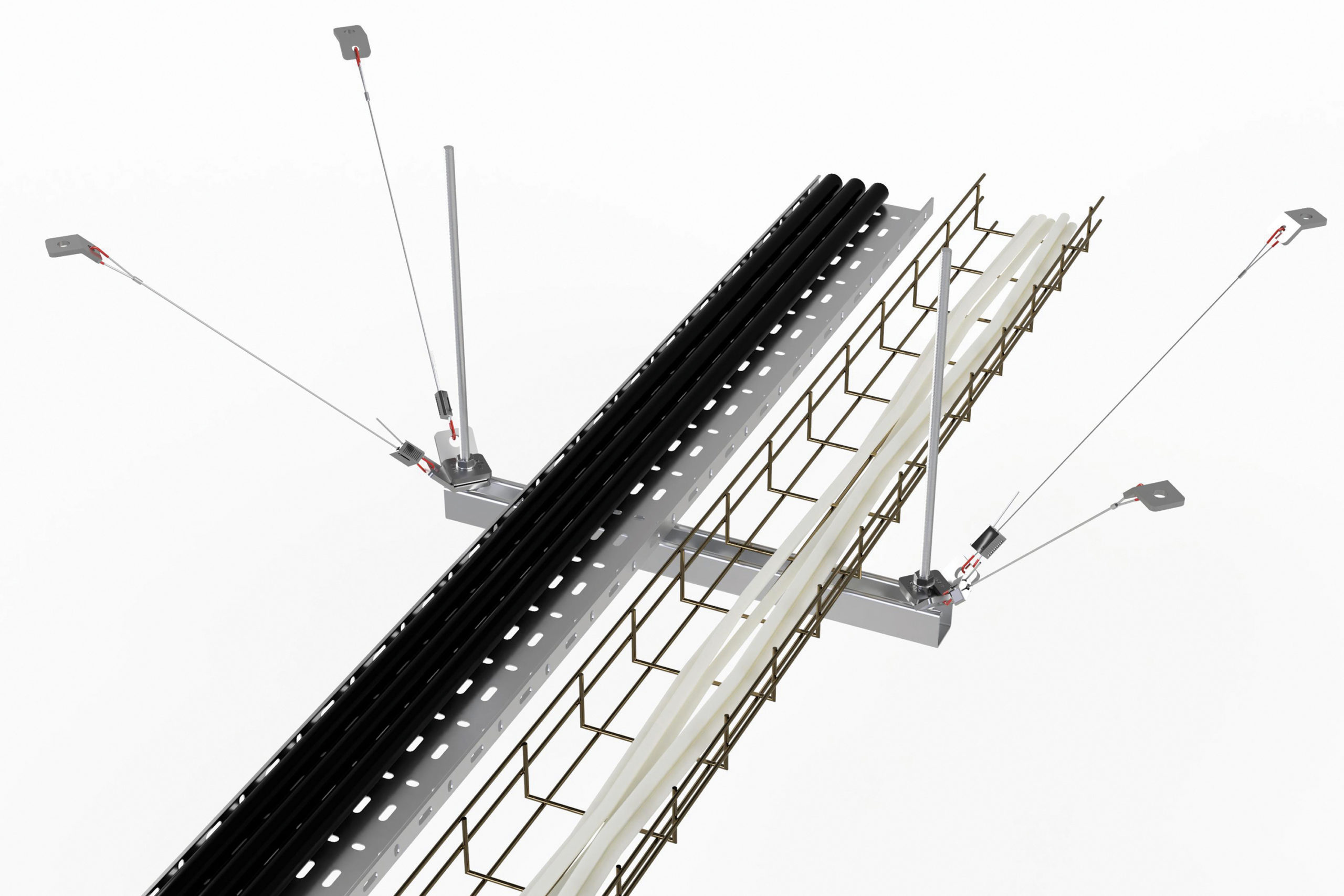
One of the key benefits of using seismic bracing kits is their ability to enhance the overall stability and resilience of a building. By properly securing structural components, these kits help to prevent displacement and distortion during a seismic event, thereby minimizing the risk of damage and ensuring the safety of occupants.
Another important advantage of seismic bracing kits is their cost-effectiveness. While the initial investment in such kits may seem significant, the potential cost savings in terms of damage repair and structural reinforcement far outweigh the upfront expenses. In fact, the installation of seismic bracing kits can significantly reduce the overall risk and liability associated with seismic events, making them a wise investment for building owners and developers.
Furthermore, seismic bracing kits can also help to ensure compliance with building codes and regulations. In many seismic-prone regions, local building codes require the installation of seismic restraint systems in new construction projects, as well as the retrofitting of existing structures to meet safety standards. By using a seismic bracing kit that is specifically designed to meet these requirements, building owners can rest assured that their property is in full compliance with the law.
When it comes to choosing the right seismic bracing kit for a specific building or structure, there are a few key factors to consider. First and foremost, it is important to work with a reputable manufacturer or supplier that specializes in seismic restraint systems. These professionals can offer guidance and expertise in selecting the appropriate components and ensuring they are installed correctly.
The design and layout of the building also play a critical role in determining the type and placement of seismic bracing kits. Factors such as building height, occupancy load, and structural material will all influence the selection of bracing components and their configuration. Consulting with a structural engineer or seismic design specialist is recommended to ensure the most effective and efficient use of seismic bracing kits.
In addition to providing structural support, seismic bracing kits can also offer other benefits such as improved building performance and longevity. By reducing the risk of damage and structural failure, these kits help to extend the lifespan of a building and protect its value over time. This can be especially important for buildings that are located in high-risk seismic zones or areas with a history of seismic activity.
Overall, seismic bracing kits are an essential safety measure for buildings and structures in seismic-prone regions. By providing additional support and reinforcement, these kits help to protect against the potentially devastating effects of earthquakes and other seismic events. With the right design, installation, and maintenance, seismic bracing kits can help ensure the structural safety and integrity of a building for years to come.